
Curbside Pickup Continues to Grow Faster Than Delivery in 2026 — Why Operators Should Care
The math behind restaurant fulfillment favors pickup in a way many operators underappreciate. Third-party delivery marketplaces typically charge commissions that can run into the double digits per order, a cut that lands directly on already-thin restaurant margins. Curbside and in-house pickup sidesteps most of those fees, keeps the customer relationship with the restaurant rather than the app, and avoids the handoff points where food quality and order accuracy tend to degrade.
Consumer behavior has reinforced the shift. The pandemic normalized ordering ahead and grabbing food without leaving the car, and that convenience habit persisted even as dining rooms reopened. For a segment of customers, pickup is simply faster and cheaper than delivery — no delivery fee, no tip pressure, no waiting on a driver — while still preserving the time savings of ordering in advance.
For operators, the strategic takeaway is to treat pickup as a channel worth designing for rather than an afterthought: clear curbside zones, accurate ready-time estimates, and packaging that travels well. Specific growth figures vary by source and should be checked against current industry reporting, but the direction — pickup gaining share on delivery on the strength of margins and convenience — is well established.
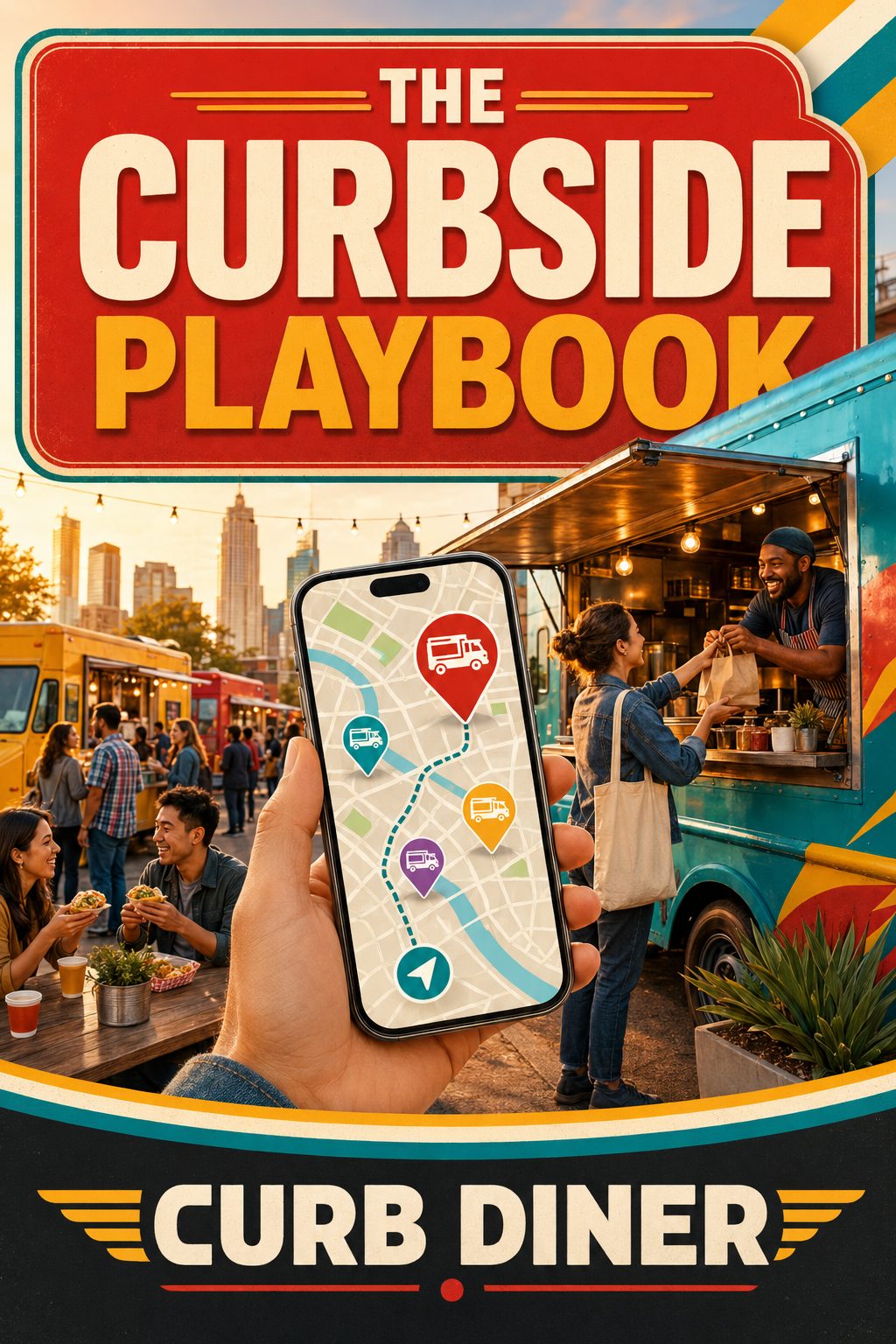
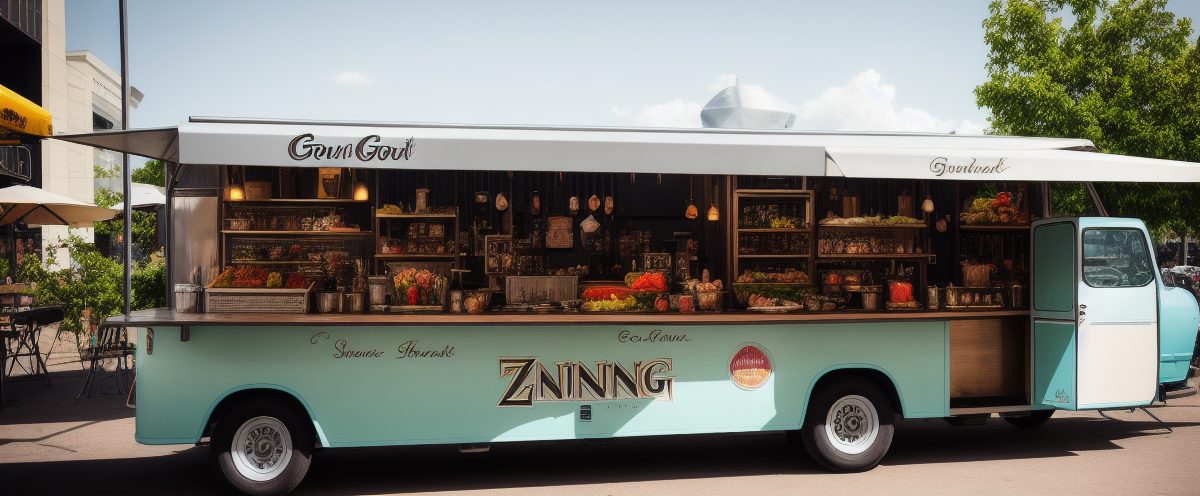
The street-food boom is not hype — it is one of the fastest-growing corners of American dining. IBISWorld counts roughly 92,257 food trucks operating across the U.S. in 2025, up nearly 17% in a single year and growing about 24% annually on average over the prior five years, even as the segment's revenue sits near $2.8 billion. The engine behind that growth is exactly what we love about curb dining: lower overhead than a brick-and-mortar kitchen, menus that can flex with the neighborhood, and food served where people already are. For diners it means more variety and shorter lines; for cooks it means a real path to owning a business without a six-figure build-out. We keep the same commitment either way — scratch cooking, honest portions, and a fair price at the curb.
Sources: National Restaurant Association — Research; FDA — Food Code; IBISWorld — Food Trucks in the US